Tạo Trắc Nghiệm

Trắc nghiệm Tiếng Anh 11 Unit 1 (Smart World có đáp án): Reading & Writing

20 câu · Đề theo bài

Xem trước: đọc nhanh mọi câu dạng chữ, chưa tính giờ, chưa hiện đáp án.
Luyện tập: chọn đáp án là biết đúng sai ngay, kèm lời giải.
Thi thử: nộp bài mới chấm điểm và hiện lời giải.

Câu 1

Questions 1-5. Read the passage carefully and choose the correct answers.

According to leading experts in nutrition and health, a poor diet increases the risk of illness, and two-thirds of natural deaths in the West have a connection with unsuitable diets. Guidelines for healthy eating which are based on a great deal of research (1) ______ diet-linked diseases all over the world have been established by medical authorities:

- Eat a wide variety of foods to get the whole range of (2) ______.

- Limit processed foods because most (3) ______ large amounts of sodium and other additives.

- (4) ______ down on junk food like French fries as much as possible.

- Do not have ready-made meals from the supermarket too often.

- Wherever possible, buy organic foods that are produced without the use of artificial chemicals. Genetically modified foods (GM foods) may not harm us, (5) ______ they are not good for the environment.

- Change your eating habits gradually.

Guidelines for healthy eating which are based on a great deal of research (1) ______ diet-linked diseases all over the world have been established by medical authorities:

Đáp án và lời giải

Đáp án: C

Câu 2

Questions 1-5. Read the passage carefully and choose the correct answers.

According to leading experts in nutrition and health, a poor diet increases the risk of illness, and two-thirds of natural deaths in the West have a connection with unsuitable diets. Guidelines for healthy eating which are based on a great deal of research (1) ______ diet-linked diseases all over the world have been established by medical authorities:

- Eat a wide variety of foods to get the whole range of (2) ______.

- Limit processed foods because most (3) ______ large amounts of sodium and other additives.

- (4) ______ down on junk food like French fries as much as possible.

- Do not have ready-made meals from the supermarket too often.

- Wherever possible, buy organic foods that are produced without the use of artificial chemicals. Genetically modified foods (GM foods) may not harm us, (5) ______ they are not good for the environment.

- Change your eating habits gradually.

Eat a wide variety of foods to get the whole range of (2) ______.

Đáp án và lời giải

Đáp án: D

Câu 3

Questions 1-5. Read the passage carefully and choose the correct answers.

According to leading experts in nutrition and health, a poor diet increases the risk of illness, and two-thirds of natural deaths in the West have a connection with unsuitable diets. Guidelines for healthy eating which are based on a great deal of research (1) ______ diet-linked diseases all over the world have been established by medical authorities:

- Eat a wide variety of foods to get the whole range of (2) ______.

- Limit processed foods because most (3) ______ large amounts of sodium and other additives.

- (4) ______ down on junk food like French fries as much as possible.

- Do not have ready-made meals from the supermarket too often.

- Wherever possible, buy organic foods that are produced without the use of artificial chemicals. Genetically modified foods (GM foods) may not harm us, (5) ______ they are not good for the environment.

- Change your eating habits gradually.

Limit processed foods because most (3) ______ large amounts of sodium and other additives.

Đáp án và lời giải

Đáp án: A

Câu 4

Questions 1-5. Read the passage carefully and choose the correct answers.

According to leading experts in nutrition and health, a poor diet increases the risk of illness, and two-thirds of natural deaths in the West have a connection with unsuitable diets. Guidelines for healthy eating which are based on a great deal of research (1) ______ diet-linked diseases all over the world have been established by medical authorities:

- Eat a wide variety of foods to get the whole range of (2) ______.

- Limit processed foods because most (3) ______ large amounts of sodium and other additives.

- (4) ______ down on junk food like French fries as much as possible.

- Do not have ready-made meals from the supermarket too often.

- Wherever possible, buy organic foods that are produced without the use of artificial chemicals. Genetically modified foods (GM foods) may not harm us, (5) ______ they are not good for the environment.

- Change your eating habits gradually.

(4) ______ down on junk food like French fries as much as possible.

Đáp án và lời giải

Đáp án: C

Câu 5

Questions 1-5. Read the passage carefully and choose the correct answers.

According to leading experts in nutrition and health, a poor diet increases the risk of illness, and two-thirds of natural deaths in the West have a connection with unsuitable diets. Guidelines for healthy eating which are based on a great deal of research (1) ______ diet-linked diseases all over the world have been established by medical authorities:

- Eat a wide variety of foods to get the whole range of (2) ______.

- Limit processed foods because most (3) ______ large amounts of sodium and other additives.

- (4) ______ down on junk food like French fries as much as possible.

- Do not have ready-made meals from the supermarket too often.

- Wherever possible, buy organic foods that are produced without the use of artificial chemicals. Genetically modified foods (GM foods) may not harm us, (5) ______ they are not good for the environment.

- Change your eating habits gradually.

Genetically modified foods (GM foods) may not harm us, (5) ______ they are not good for the environment.

Đáp án và lời giải

Đáp án: B

Câu 6

Questions 6-12. Read the text and answer the questions.

    In today’s cities, technology is widely used. Cities are great sites to adopt modern technology because of their high population and building rates, which result in lower implementation costs per person. Nonetheless, some of these cities’ technologies have not evolved considerably over time. Most people, for example, continue to commute in personal automobiles powered by internal combustion engines. This sort of engine has been in use since the early 1900s. Traffic light technology is still usually based on manually timed mechanical timers and reinforced concrete, the material invented before 1900 and used to build most modern cities.

    The most recent advancements in low-cost sensors, together with the widespread adoption of mobile and high-speed internet and computing technology, have paved the way for a new technological revolution. The Internet of Things (IoT), artificial intelligence (AI), high-resolution GPS, big data and new building materials and techniques are projected to revolutionise cities’ essential functional features, affecting all areas of our lives. While many innovations have had favourable effects, some have had unintended consequences. For example, the rise of powered private cars has increased mobility while it has also caused traffic jams and significant air pollution. What impact will the latest wave of remarkable technologies have on cities and their basic systems, and what does this entail for city dwellers? Will our civilization be ready for more technological changes? These contemporary technologies will drastically alter the appearance and functionality of our cities. Mobility, energy and data advancements may make our cities more compact, efficient and inclusive.

What are the reasons for lower technology implementation costs in cities?

Đáp án và lời giải

Đáp án: A

Câu 7

Questions 6-12. Read the text and answer the questions.

    In today’s cities, technology is widely used. Cities are great sites to adopt modern technology because of their high population and building rates, which result in lower implementation costs per person. Nonetheless, some of these cities’ technologies have not evolved considerably over time. Most people, for example, continue to commute in personal automobiles powered by internal combustion engines. This sort of engine has been in use since the early 1900s. Traffic light technology is still usually based on manually timed mechanical timers and reinforced concrete, the material invented before 1900 and used to build most modern cities.

    The most recent advancements in low-cost sensors, together with the widespread adoption of mobile and high-speed internet and computing technology, have paved the way for a new technological revolution. The Internet of Things (IoT), artificial intelligence (AI), high-resolution GPS, big data and new building materials and techniques are projected to revolutionise cities’ essential functional features, affecting all areas of our lives. While many innovations have had favourable effects, some have had unintended consequences. For example, the rise of powered private cars has increased mobility while it has also caused traffic jams and significant air pollution. What impact will the latest wave of remarkable technologies have on cities and their basic systems, and what does this entail for city dwellers? Will our civilization be ready for more technological changes? These contemporary technologies will drastically alter the appearance and functionality of our cities. Mobility, energy and data advancements may make our cities more compact, efficient and inclusive.

Which of the following can be inferred from paragraph 1?

Đáp án và lời giải

Đáp án: D

Câu 8

Questions 6-12. Read the text and answer the questions.

    In today’s cities, technology is widely used. Cities are great sites to adopt modern technology because of their high population and building rates, which result in lower implementation costs per person. Nonetheless, some of these cities’ technologies have not evolved considerably over time. Most people, for example, continue to commute in personal automobiles powered by internal combustion engines. This sort of engine has been in use since the early 1900s. Traffic light technology is still usually based on manually timed mechanical timers and reinforced concrete, the material invented before 1900 and used to build most modern cities.

    The most recent advancements in low-cost sensors, together with the widespread adoption of mobile and high-speed internet and computing technology, have paved the way for a new technological revolution. The Internet of Things (IoT), artificial intelligence (AI), high-resolution GPS, big data and new building materials and techniques are projected to revolutionise cities’ essential functional features, affecting all areas of our lives. While many innovations have had favourable effects, some have had unintended consequences. For example, the rise of powered private cars has increased mobility while it has also caused traffic jams and significant air pollution. What impact will the latest wave of remarkable technologies have on cities and their basic systems, and what does this entail for city dwellers? Will our civilization be ready for more technological changes? These contemporary technologies will drastically alter the appearance and functionality of our cities. Mobility, energy and data advancements may make our cities more compact, efficient and inclusive.

Which word is closest in meaning to the word “revolution” in paragraph 2?

Đáp án và lời giải

Đáp án: D

Câu 9

Questions 6-12. Read the text and answer the questions.

    In today’s cities, technology is widely used. Cities are great sites to adopt modern technology because of their high population and building rates, which result in lower implementation costs per person. Nonetheless, some of these cities’ technologies have not evolved considerably over time. Most people, for example, continue to commute in personal automobiles powered by internal combustion engines. This sort of engine has been in use since the early 1900s. Traffic light technology is still usually based on manually timed mechanical timers and reinforced concrete, the material invented before 1900 and used to build most modern cities.

    The most recent advancements in low-cost sensors, together with the widespread adoption of mobile and high-speed internet and computing technology, have paved the way for a new technological revolution. The Internet of Things (IoT), artificial intelligence (AI), high-resolution GPS, big data and new building materials and techniques are projected to revolutionise cities’ essential functional features, affecting all areas of our lives. While many innovations have had favourable effects, some have had unintended consequences. For example, the rise of powered private cars has increased mobility while it has also caused traffic jams and significant air pollution. What impact will the latest wave of remarkable technologies have on cities and their basic systems, and what does this entail for city dwellers? Will our civilization be ready for more technological changes? These contemporary technologies will drastically alter the appearance and functionality of our cities. Mobility, energy and data advancements may make our cities more compact, efficient and inclusive.

According to the text, which is NOT expected to transform cities’ core functioning elements?

Đáp án và lời giải

Đáp án: C

Câu 10

Questions 6-12. Read the text and answer the questions.

    In today’s cities, technology is widely used. Cities are great sites to adopt modern technology because of their high population and building rates, which result in lower implementation costs per person. Nonetheless, some of these cities’ technologies have not evolved considerably over time. Most people, for example, continue to commute in personal automobiles powered by internal combustion engines. This sort of engine has been in use since the early 1900s. Traffic light technology is still usually based on manually timed mechanical timers and reinforced concrete, the material invented before 1900 and used to build most modern cities.

    The most recent advancements in low-cost sensors, together with the widespread adoption of mobile and high-speed internet and computing technology, have paved the way for a new technological revolution. The Internet of Things (IoT), artificial intelligence (AI), high-resolution GPS, big data and new building materials and techniques are projected to revolutionise cities’ essential functional features, affecting all areas of our lives. While many innovations have had favourable effects, some have had unintended consequences. For example, the rise of powered private cars has increased mobility while it has also caused traffic jams and significant air pollution. What impact will the latest wave of remarkable technologies have on cities and their basic systems, and what does this entail for city dwellers? Will our civilization be ready for more technological changes? These contemporary technologies will drastically alter the appearance and functionality of our cities. Mobility, energy and data advancements may make our cities more compact, efficient and inclusive.

What does the word “it” in paragraph 2 refer to?

Đáp án và lời giải

Đáp án: B

Câu 11

Questions 6-12. Read the text and answer the questions.

    In today’s cities, technology is widely used. Cities are great sites to adopt modern technology because of their high population and building rates, which result in lower implementation costs per person. Nonetheless, some of these cities’ technologies have not evolved considerably over time. Most people, for example, continue to commute in personal automobiles powered by internal combustion engines. This sort of engine has been in use since the early 1900s. Traffic light technology is still usually based on manually timed mechanical timers and reinforced concrete, the material invented before 1900 and used to build most modern cities.

    The most recent advancements in low-cost sensors, together with the widespread adoption of mobile and high-speed internet and computing technology, have paved the way for a new technological revolution. The Internet of Things (IoT), artificial intelligence (AI), high-resolution GPS, big data and new building materials and techniques are projected to revolutionise cities’ essential functional features, affecting all areas of our lives. While many innovations have had favourable effects, some have had unintended consequences. For example, the rise of powered private cars has increased mobility while it has also caused traffic jams and significant air pollution. What impact will the latest wave of remarkable technologies have on cities and their basic systems, and what does this entail for city dwellers? Will our civilization be ready for more technological changes? These contemporary technologies will drastically alter the appearance and functionality of our cities. Mobility, energy and data advancements may make our cities more compact, efficient and inclusive.

Which word is closest in meaning to the word “dwellers” in paragraph 2?

Đáp án và lời giải

Đáp án: C

Câu 12

Questions 6-12. Read the text and answer the questions.

    In today’s cities, technology is widely used. Cities are great sites to adopt modern technology because of their high population and building rates, which result in lower implementation costs per person. Nonetheless, some of these cities’ technologies have not evolved considerably over time. Most people, for example, continue to commute in personal automobiles powered by internal combustion engines. This sort of engine has been in use since the early 1900s. Traffic light technology is still usually based on manually timed mechanical timers and reinforced concrete, the material invented before 1900 and used to build most modern cities.

    The most recent advancements in low-cost sensors, together with the widespread adoption of mobile and high-speed internet and computing technology, have paved the way for a new technological revolution. The Internet of Things (IoT), artificial intelligence (AI), high-resolution GPS, big data and new building materials and techniques are projected to revolutionise cities’ essential functional features, affecting all areas of our lives. While many innovations have had favourable effects, some have had unintended consequences. For example, the rise of powered private cars has increased mobility while it has also caused traffic jams and significant air pollution. What impact will the latest wave of remarkable technologies have on cities and their basic systems, and what does this entail for city dwellers? Will our civilization be ready for more technological changes? These contemporary technologies will drastically alter the appearance and functionality of our cities. Mobility, energy and data advancements may make our cities more compact, efficient and inclusive.

According to the passage, which of the following is NOT true?

Đáp án và lời giải

Đáp án: A

Câu 13

Questions 6-12. Read the text and answer the questions.

    In today’s cities, technology is widely used. Cities are great sites to adopt modern technology because of their high population and building rates, which result in lower implementation costs per person. Nonetheless, some of these cities’ technologies have not evolved considerably over time. Most people, for example, continue to commute in personal automobiles powered by internal combustion engines. This sort of engine has been in use since the early 1900s. Traffic light technology is still usually based on manually timed mechanical timers and reinforced concrete, the material invented before 1900 and used to build most modern cities.

    The most recent advancements in low-cost sensors, together with the widespread adoption of mobile and high-speed internet and computing technology, have paved the way for a new technological revolution. The Internet of Things (IoT), artificial intelligence (AI), high-resolution GPS, big data and new building materials and techniques are projected to revolutionise cities’ essential functional features, affecting all areas of our lives. While many innovations have had favourable effects, some have had unintended consequences. For example, the rise of powered private cars has increased mobility while it has also caused traffic jams and significant air pollution. What impact will the latest wave of remarkable technologies have on cities and their basic systems, and what does this entail for city dwellers? Will our civilization be ready for more technological changes? These contemporary technologies will drastically alter the appearance and functionality of our cities. Mobility, energy and data advancements may make our cities more compact, efficient and inclusive.

Choose the sentence that best combines the following pair of sentences.

I want to visit Singapore. I also want to visit South Korea.

Đáp án và lời giải

Đáp án: D

Câu 14

Questions 6-12. Read the text and answer the questions.

    In today’s cities, technology is widely used. Cities are great sites to adopt modern technology because of their high population and building rates, which result in lower implementation costs per person. Nonetheless, some of these cities’ technologies have not evolved considerably over time. Most people, for example, continue to commute in personal automobiles powered by internal combustion engines. This sort of engine has been in use since the early 1900s. Traffic light technology is still usually based on manually timed mechanical timers and reinforced concrete, the material invented before 1900 and used to build most modern cities.

    The most recent advancements in low-cost sensors, together with the widespread adoption of mobile and high-speed internet and computing technology, have paved the way for a new technological revolution. The Internet of Things (IoT), artificial intelligence (AI), high-resolution GPS, big data and new building materials and techniques are projected to revolutionise cities’ essential functional features, affecting all areas of our lives. While many innovations have had favourable effects, some have had unintended consequences. For example, the rise of powered private cars has increased mobility while it has also caused traffic jams and significant air pollution. What impact will the latest wave of remarkable technologies have on cities and their basic systems, and what does this entail for city dwellers? Will our civilization be ready for more technological changes? These contemporary technologies will drastically alter the appearance and functionality of our cities. Mobility, energy and data advancements may make our cities more compact, efficient and inclusive.

Choose the sentence that best combines the following pair of sentences.

He tried to learn English well. He wanted to join an exchange programme in the US.

Đáp án và lời giải

Đáp án: D

Câu 15

Questions 6-12. Read the text and answer the questions.

    In today’s cities, technology is widely used. Cities are great sites to adopt modern technology because of their high population and building rates, which result in lower implementation costs per person. Nonetheless, some of these cities’ technologies have not evolved considerably over time. Most people, for example, continue to commute in personal automobiles powered by internal combustion engines. This sort of engine has been in use since the early 1900s. Traffic light technology is still usually based on manually timed mechanical timers and reinforced concrete, the material invented before 1900 and used to build most modern cities.

    The most recent advancements in low-cost sensors, together with the widespread adoption of mobile and high-speed internet and computing technology, have paved the way for a new technological revolution. The Internet of Things (IoT), artificial intelligence (AI), high-resolution GPS, big data and new building materials and techniques are projected to revolutionise cities’ essential functional features, affecting all areas of our lives. While many innovations have had favourable effects, some have had unintended consequences. For example, the rise of powered private cars has increased mobility while it has also caused traffic jams and significant air pollution. What impact will the latest wave of remarkable technologies have on cities and their basic systems, and what does this entail for city dwellers? Will our civilization be ready for more technological changes? These contemporary technologies will drastically alter the appearance and functionality of our cities. Mobility, energy and data advancements may make our cities more compact, efficient and inclusive.

Choose the sentence with the same meaning as the given one.

We will have a meeting about global warming in November.

Đáp án và lời giải

Đáp án: B

Câu 16

Questions 6-12. Read the text and answer the questions.

    In today’s cities, technology is widely used. Cities are great sites to adopt modern technology because of their high population and building rates, which result in lower implementation costs per person. Nonetheless, some of these cities’ technologies have not evolved considerably over time. Most people, for example, continue to commute in personal automobiles powered by internal combustion engines. This sort of engine has been in use since the early 1900s. Traffic light technology is still usually based on manually timed mechanical timers and reinforced concrete, the material invented before 1900 and used to build most modern cities.

    The most recent advancements in low-cost sensors, together with the widespread adoption of mobile and high-speed internet and computing technology, have paved the way for a new technological revolution. The Internet of Things (IoT), artificial intelligence (AI), high-resolution GPS, big data and new building materials and techniques are projected to revolutionise cities’ essential functional features, affecting all areas of our lives. While many innovations have had favourable effects, some have had unintended consequences. For example, the rise of powered private cars has increased mobility while it has also caused traffic jams and significant air pollution. What impact will the latest wave of remarkable technologies have on cities and their basic systems, and what does this entail for city dwellers? Will our civilization be ready for more technological changes? These contemporary technologies will drastically alter the appearance and functionality of our cities. Mobility, energy and data advancements may make our cities more compact, efficient and inclusive.

Choose the sentence with the same meaning as the given one.

Ten years ago, she began her career as an English teacher.

Đáp án và lời giải

Đáp án: A

Câu 17

Questions 6-12. Read the text and answer the questions.

    In today’s cities, technology is widely used. Cities are great sites to adopt modern technology because of their high population and building rates, which result in lower implementation costs per person. Nonetheless, some of these cities’ technologies have not evolved considerably over time. Most people, for example, continue to commute in personal automobiles powered by internal combustion engines. This sort of engine has been in use since the early 1900s. Traffic light technology is still usually based on manually timed mechanical timers and reinforced concrete, the material invented before 1900 and used to build most modern cities.

    The most recent advancements in low-cost sensors, together with the widespread adoption of mobile and high-speed internet and computing technology, have paved the way for a new technological revolution. The Internet of Things (IoT), artificial intelligence (AI), high-resolution GPS, big data and new building materials and techniques are projected to revolutionise cities’ essential functional features, affecting all areas of our lives. While many innovations have had favourable effects, some have had unintended consequences. For example, the rise of powered private cars has increased mobility while it has also caused traffic jams and significant air pollution. What impact will the latest wave of remarkable technologies have on cities and their basic systems, and what does this entail for city dwellers? Will our civilization be ready for more technological changes? These contemporary technologies will drastically alter the appearance and functionality of our cities. Mobility, energy and data advancements may make our cities more compact, efficient and inclusive.

Choose the sentence with the same meaning as the given one.

It is likely that all houses will use energy-efficient devices in future cities.

Đáp án và lời giải

Đáp án: D

Câu 18

Questions 6-12. Read the text and answer the questions.

    In today’s cities, technology is widely used. Cities are great sites to adopt modern technology because of their high population and building rates, which result in lower implementation costs per person. Nonetheless, some of these cities’ technologies have not evolved considerably over time. Most people, for example, continue to commute in personal automobiles powered by internal combustion engines. This sort of engine has been in use since the early 1900s. Traffic light technology is still usually based on manually timed mechanical timers and reinforced concrete, the material invented before 1900 and used to build most modern cities.

    The most recent advancements in low-cost sensors, together with the widespread adoption of mobile and high-speed internet and computing technology, have paved the way for a new technological revolution. The Internet of Things (IoT), artificial intelligence (AI), high-resolution GPS, big data and new building materials and techniques are projected to revolutionise cities’ essential functional features, affecting all areas of our lives. While many innovations have had favourable effects, some have had unintended consequences. For example, the rise of powered private cars has increased mobility while it has also caused traffic jams and significant air pollution. What impact will the latest wave of remarkable technologies have on cities and their basic systems, and what does this entail for city dwellers? Will our civilization be ready for more technological changes? These contemporary technologies will drastically alter the appearance and functionality of our cities. Mobility, energy and data advancements may make our cities more compact, efficient and inclusive.

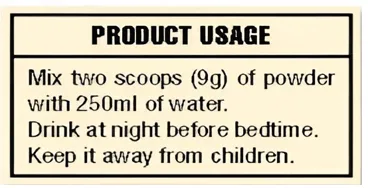
What does this notice mean?

Trắc nghiệm Tiếng Anh 11 Unit 1 (Smart World có đáp án): Reading & Writing

Đáp án và lời giải

Đáp án: A

Câu 19

Questions 6-12. Read the text and answer the questions.

    In today’s cities, technology is widely used. Cities are great sites to adopt modern technology because of their high population and building rates, which result in lower implementation costs per person. Nonetheless, some of these cities’ technologies have not evolved considerably over time. Most people, for example, continue to commute in personal automobiles powered by internal combustion engines. This sort of engine has been in use since the early 1900s. Traffic light technology is still usually based on manually timed mechanical timers and reinforced concrete, the material invented before 1900 and used to build most modern cities.

    The most recent advancements in low-cost sensors, together with the widespread adoption of mobile and high-speed internet and computing technology, have paved the way for a new technological revolution. The Internet of Things (IoT), artificial intelligence (AI), high-resolution GPS, big data and new building materials and techniques are projected to revolutionise cities’ essential functional features, affecting all areas of our lives. While many innovations have had favourable effects, some have had unintended consequences. For example, the rise of powered private cars has increased mobility while it has also caused traffic jams and significant air pollution. What impact will the latest wave of remarkable technologies have on cities and their basic systems, and what does this entail for city dwellers? Will our civilization be ready for more technological changes? These contemporary technologies will drastically alter the appearance and functionality of our cities. Mobility, energy and data advancements may make our cities more compact, efficient and inclusive.

What does this notice mean?

Trắc nghiệm Tiếng Anh 11 Unit 1 (Smart World có đáp án): Reading & Writing

Đáp án và lời giải

Đáp án: D

Câu 20

Questions 6-12. Read the text and answer the questions.

    In today’s cities, technology is widely used. Cities are great sites to adopt modern technology because of their high population and building rates, which result in lower implementation costs per person. Nonetheless, some of these cities’ technologies have not evolved considerably over time. Most people, for example, continue to commute in personal automobiles powered by internal combustion engines. This sort of engine has been in use since the early 1900s. Traffic light technology is still usually based on manually timed mechanical timers and reinforced concrete, the material invented before 1900 and used to build most modern cities.

    The most recent advancements in low-cost sensors, together with the widespread adoption of mobile and high-speed internet and computing technology, have paved the way for a new technological revolution. The Internet of Things (IoT), artificial intelligence (AI), high-resolution GPS, big data and new building materials and techniques are projected to revolutionise cities’ essential functional features, affecting all areas of our lives. While many innovations have had favourable effects, some have had unintended consequences. For example, the rise of powered private cars has increased mobility while it has also caused traffic jams and significant air pollution. What impact will the latest wave of remarkable technologies have on cities and their basic systems, and what does this entail for city dwellers? Will our civilization be ready for more technological changes? These contemporary technologies will drastically alter the appearance and functionality of our cities. Mobility, energy and data advancements may make our cities more compact, efficient and inclusive.

Use the prompts to write the complete sentence.

Global warming / rise / average temperature / the Earth.

Đáp án và lời giải

Đáp án: C