Câu 1
Mark the letter A, B, C, or D to indicate the word whose underlined part differs from the other three in pronunciation in each of the following questions.
Đáp án và lời giải
Đáp án: B
5/40 câu đang cập nhật đáp án (ghi rõ ở từng câu), chưa tính điểm; điểm tính trên 35 câu còn lại.
Mark the letter A, B, C, or D to indicate the word whose underlined part differs from the other three in pronunciation in each of the following questions.
Đáp án: B
Mark the letter A, B, C, or D to indicate the word that differs from the other three in the position of primary stress in each of the following questions.
Đáp án: A
Mark the letter A, B, C, or D to indicate the word that differs from the other three in the position of primary stress in each of the following questions.
Đáp án: D
Mark the letter A, B, C, or D to indicate the word that differs from the other three in the position of primary stress in each of the following questions.
Đáp án: D
Mark the letter A, B, C, or D to indicate the correct answer to each of the following questions.
Very few lucky observers had witnessed the most spectacular ______ shower in recorded history.
Đáp án: A
Which sentence is grammatically correct?
Đáp án: B
On the course there is a focus on ______ experience and practical work.
Đáp án: A
Wood ______ if there ______ no air.
Đáp án: D
Jane: “______” – Jonas: “Yes, please.”
Đáp án: C
The human brain, ______ weighs about 1400 grams, is 10 times the size of a baboon’s.
Đáp án: B
Kendal ______ is quite a small market town in England.
Đáp án: C
Tom’s worried that if he wears glasses at school the other children will ______ him names.
Đáp án: D
Put the sentences (a-c) in the correct order, then fill in the blank to make a logical text.
Jake loves having an adventurous life. Every day, he wakes up and wants to experience something new and exciting. ______.
Đáp án: A
Choose the sentence that can end the text (in Question 13) most appropriately.
Đáp án: C
A New Home in the Future
by James Stone
Our planet, Earth, is becoming (15) ______. The world’s population will reach 11 billion by 2100. I think we will need to find a new home in the future. The options are really exciting!
One option is to live on (16) ______ planet, like Mars or Venus. It’s important that the planet has similar gravity to Earth. We need gravity to stay healthy and on the ground! Venus’s gravity is similar to Earth’s, (17) ______ Mars’s is much lower. Tempe-rature will also be a problem. Mars is very cold, and Venus is very hot. People will need to stay inside all the time. Mars and Venus also don’t have enough oxygen for humans.
Another option is to live in space stations. We can build these near Earth, so people won’t have to travel far. However, they’re small. There won’t be room for people to move (18) ______. Also, there’s no gravity on a space station. Living there for a long time will affect people’s health.
We don’t know (19) ______ our next home will be yet. There’s no other place like Earth. Our new home will be strange, but very exciting!
(Adapted from SGK i-Learn Smart World 8)
Đáp án: B
Đáp án: B
Đáp án: A
Đáp án: C
We don’t know (19) ______ our next home will be yet. There’s no other place like Earth. Our new home will be strange, but very exciting!
Đáp án: B
I have to work at weekends and I don’t like it at all.
Đáp án: C
What about trying that new roof-top restaurant that just opened?
Đáp án: C
It/ too/ far/ walk/ so/ I think/ catch/ bus.
Đáp án: D
Christmas activities/ illnesses/ always/ seem/ go/ hand/ hand.
Đáp án: B
Read the following sign or notice and mark the letter A, B, C, or D to indicate the correct answer to each of the following questions from 24 to 25.

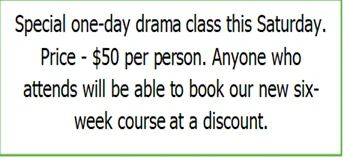
What does this sign mean?
Đáp án: C
What does the notice mean?
Đáp án: C
Read the following passage and mark the letter A, B, C, or D to indicate the correct answer to each of the following questions from 26 to 31.
Braj Kachru was a Professor of Linguistics who invented the term ‘World Englishes’. The term refers to the fact that English has become a global means of communication with a lot of varieties.
In 1985, Kachru proposed a model of the different uses of English around the world. There are three concentric circles in the model.
The first of these circles is the Inner Circle, which consists of the traditional English-speaking countries, such as the UK, the USA, Australia, New Zealand, and Canada. In these regions, English is the first language, and their speakers provide the standards of English.
The next circle is the Outer Circle where English is not the first language but the second or official language. The countries in this circle include India, Singapore, the Philippines, Pakistan, Malaysia, etc. The speakers of these places follow the standards which the countries in the Inner Circle provide.
The last circle is the Expanding Circle. People in this circle speak English as a foreign language. Some of the countries in the Expanding Circle are Brazil, Japan, Russia, and Viet Nam. Speakers of English in these places follow the rules which the people in the Inner Circle have established.
(Adapted from SGK Global Success 9)
What is the main idea of the passage?
Đáp án: D
The word ‘proposed’ in paragraph 2 is CLOSEST in meaning to ______.
Đáp án: C
How does the writer explain the three circles in Kachru’s model?
Đáp án: A
Which of the following is NOT mentioned in the text?
Đáp án: A
What point does the author make about the Expanding Circle?
Đáp án: B
The word ‘traditional’ in paragraph 3 is OPPOSITE in meaning to _____.
Đáp án: B
Some of us seem to be infinitely kind, while others seem (32) ______. Some of us never forget an argument, while others make peace and forgive easily. As we grow up, our personality develops and we find that (33) ______. Who we are seems (34) ______, but is also influenced by those who raise us. If we admire our parents or other family members, we may want to be like them. On the other hand, if our parents seem to criticize us all the time and we argue with them a lot, then (35) ______.
Đáp án: B
Đáp án: D
Đáp án: A
Đáp án: C
The cake was a delicious _______________ of sponge, cream and fruit. (CREATE)
Lời giải của đề gốc để bạn tự đối chiếu; câu tự luận không tính điểm.
- Chỗ trống cần một danh từ sau tính từ ‘delicious’ để tạo thành cụm danh từ.
- creation /kriˈeɪʃn/ (n): (sự) sáng tạo
Dịch: Chiếc bánh là một sáng tạo ngọt ngon từ bánh xốp, kem và trái cây.
Give the correct form of the words in brackets to complete the following sentences from 36 to 40.
Breast-feeding is extremely _______________ to the health of newborn babies. (BENEFIT)
Lời giải của đề gốc để bạn tự đối chiếu; câu tự luận không tính điểm.
- Chỗ trống cần một tính từ sau động từ to-be để bổ nghĩa cho chủ ngữ ‘Breast-feeding’.
- beneficial (to sb/sth) /ˌbenɪˈfɪʃl/ (adj): có lợi cho ai/ cái gì
Dịch: Bú sữa mẹ cực kỳ có lợi cho sức khỏe của trẻ sơ sinh.
All children should be _______________ against childhood illnesses. (IMMUNE)
Lời giải của đề gốc để bạn tự đối chiếu; câu tự luận không tính điểm.
- Chỗ trống cần một tính từ hoặc động từ ở dạng phân từ hai (bị động) để bổ nghĩa cho chủ ngữ trước ‘should’ là ‘All children’.
- immunize /ˈɪmjənaɪz/ (v): tiêm phòng bằng vaccine => immunized: được tiêm phòng
Dịch: Tất cả trẻ em nên được tiêm phòng để ngăn ngừa các bệnh thường gặp ở trẻ.
Lời giải của đề gốc để bạn tự đối chiếu; câu tự luận không tính điểm.
- Chỗ trống cần một trạng từ để bổ nghĩa cho động từ ‘behaves’.
- responsibly /rɪˈspɒnsəbli/ (adv): một cách có trách nghiệm
Dịch: Có thể tổ chức tiệc, miễn là mọi người đều cư xử có trách nhiệm.
Lời giải của đề gốc để bạn tự đối chiếu; câu tự luận không tính điểm.
- Chỗ trống sau ‘and’ cần một tính từ vì trước ‘and’ cũng là tính từ ‘relaxed’ (cấu trúc song song), đi trước và bổ nghĩa cho danh từ ‘atmosphere’ phía sau.
- sociable /ˈsəʊʃəbl/ (adj): hòa đồng (chỉ người); tiện cho việc giao lưu (chỉ môi trường)
Dịch: Sự kiện hứa hẹn mang đến một bầu không khí thoải mái và thân thiện, nơi người hâm mộ có thể giao lưu cùng các minh tinh.