Câu 52
According to paragraph 3, which of the following is the aim of responsible programs?
Đáp án và lời giải
Đáp án: B
Đáp án: B
Questions 53-60: Read the passage carefully.
1. How do children learn about wildlife? And is what they learn the sort of thing they should be learning? It is my belief that children should not just be acquiring knowledge of animals but also developing attitudes and feelings towards them based on exposure to the real lives of animals in their natural habitats. But is this happening?
2. Some research in this area indicates that it is not. Learning about animals in school is often completely disconnected from the real lives of real animals, with the result that children often end up with little or no understanding or lasting knowledge of them. They learn factual information about animals, aimed at enabling them to identify them and have various abstract ideas about them, but that is the extent of their learning. Children’s storybooks tend to personify animals as characters rather than teach about them.
3. For direct contact with wild and international animals, the only opportunity most children have is visiting a zoo. The educational benefit of this for children is often given as the main reason for doing it but research has shown that zoo visits seldom add to children’s knowledge of animals – the animals are simply like exhibits in a museum that the children look at without engaging with them as living creatures. Children who belong to wildlife or environmental organizations or who watch wildlife TV programmes, however, show significantly higher knowledge than any other group of children studied in research. The studies show that if children learn about animals in their natural habitats, particularly through wildlife-based activities, they know more about them than they do as a result of visiting zoos or learning about them in the classroom.
4. Research has also been done into the attitudes of children towards animals. It shows that in general terms, children form strong attachments to individual animals, usually their pets, but do not have strong feelings for animals in general. This attitude is the norm regardless of the amount or kind of learning about animals they have at school. However, those children who watch television wildlife programs show an interest in and affection for wildlife in its natural environment, and their regard for animals in general is higher.
(Adapted from New English File, by Christina Latham -Koenig, Oxford University Press)
Đáp án: D
Đáp án: C
Đáp án: A
Đáp án: B
Đáp án: B
Đáp án: B
Đáp án: C
Đáp án: B
Trong hội khỏe Phù Đổng của trường THPT Trần Phú, lớp có 45 học sinh, trong đó có 25 học sinh thi điền kinh, 20 học sinh thi nhảy xa, 15 học sinh thi nhảy cao, 7 em không tham gia môn nào, 5 em tham gia cả 3 môn. Số em tham gia chỉ một môn trong ba môn trên là:
Đáp án: D
Đáp án: A
Đáp án: A
Đáp án: B
Đáp án: A
Đáp án: B
Dựa vào thông tin dưới đây để trả lời các câu từ 67 đến 69
Cho hàm số , với là tham số thực.
Đáp án: C
Đáp án: D
Đáp án: B
Dựa vào thông tin dưới đây để trả lời các câu từ 70 đến 71
Cho cấp số nhân xác định bởi
Đáp án: A
Đáp án: C
Dựa vào thông tin dưới đây để trả lời các câu từ 72 đến 73
Một nông trại thu hoạch được 180 kg cà chua và 15 kg hành tây. Chủ nông trại muốn làm các hũ tương cà để bán. Biết rằng, để làm ra một hũ tương cà loại A cần 10 kg cà chua cùng với 1 kg hành tây và khi bán lãi được 200 nghìn đồng, còn để làm được một hũ tương cà loại cần cà chua cùng với hành tây và khi bán lãi được 150 nghìn đồng. Thăm dò thị hiếu của khách hàng cho thấy cần phải làm số hũ tương loại ít nhất gấp 3,5 lần số hũ tương loại B.
Đáp án: C
Đáp án: D
Dựa vào thông tin dưới đây để trả lời các câu từ 74 đến 75
Cho phương trình , với m là tham số thực.
Đáp án: D
Đáp án: C
Dựa vào thông tin dưới đây để trả lời các câu từ 76 đến 77
Trong mặt phẳng , cho 2 điểm và đường thẳng .
Đáp án: B
Đáp án: A
Dựa vào thông tin dưới đây để trả lời các câu từ 78 đến 80
Cho 2 lô sản phẩm. Lô I có 20 sản phẩm, trong đó có 15 sản phẩm tốt và 5 sản phẩm lỗi. Lô II có 20 sản phẩm, trong đó có 10 sản phẩm tốt và 10 sản phẩm lỗi. Lấy ngẫu nhiên 1 lô và từ lô này lấy ngẫu nhiên ra 1 sản phẩm.
Đáp án: C
Đáp án: D
Đáp án: A
Dựa vào thông tin dưới đây để trả lời các câu từ 81 đến 82
Cho đồ thị hàm số và hình được tô màu như hình bên:
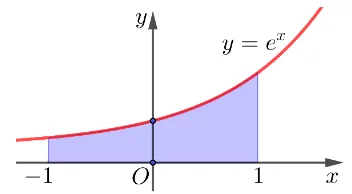
Đáp án: C
Đáp án: B